



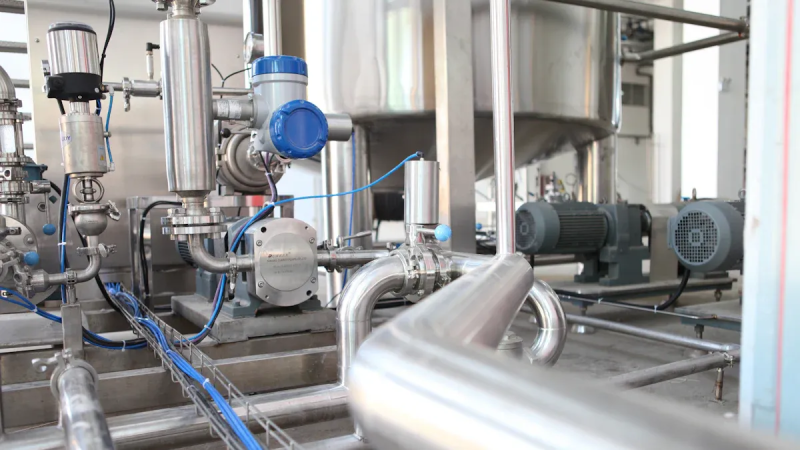
Вы должны выбрать правильный низковольтный частотный преобразователь, соответствующий вашему двигателю. Убедитесь, что он также соответствует вашим ежедневным потребностям. Ориентируйтесь на реальные потребности вашего двигателя, а не только на данные с таблички. Люди часто ошибаются при выборе привода. Некоторые выбирают слишком большой низковольтный частотный преобразователь. Другие забывают о таких вещах, как гармонические искажения или сложные условия эксплуатации. В таблице ниже перечислены распространенные ошибки:
Вы можете рассчитывать на помощь и поддержку Canroon.
Ключевые выводы
Убедитесь, что низковольтный частотный преобразователь соответствует потребностям вашего двигателя. Это обеспечит его эффективную работу и предотвратит поломки.
Учитывайте такие факторы, как тепло, влажность и пыль при выборе частотного преобразователя. Это поможет продлить срок его службы.
Выберите стратегию управления, соответствующую вашим потребностям. Это позволит сэкономить энергию и улучшить производительность.
Всегда проверяйте наличие сертификатов безопасности и вариантов поддержки при выборе частотного преобразователя. Это гарантирует его безопасность и правильную работу.
Запишите требования вашего оборудования и проконсультируйтесь со специалистами. Это поможет вам выбрать лучший частотный преобразователь для вашей задачи.
Потребности применения для низковольтного частотного преобразователя
Прежде чем выбрать низковольтный частотный преобразователь, вам необходимо понимать, как работает ваша система в ежедневном режиме. Это поможет вам найти подходящий привод для вашей установки. Учитывайте тип нагрузки, условия эксплуатации и желаемый метод управления. Эти факторы определяют эффективность и долговечность вашего низковольтного частотного преобразователя.
Тип нагрузки и рабочий цикл
Вы должны знать, какой тип нагрузки использует ваше оборудование. Разные машины требуют разных частотных преобразователей. Вот некоторые нагрузки, использующие низковольтные частотные преобразователи на предприятиях:
Вентиляторы
Насосы
Системы HVAC
Конвейеры
Компрессоры
Учитывайте, как часто работает ваше оборудование. Некоторые машины работают круглосуточно. Другие часто запускаются и останавливаются. Если ваше оборудование работает интенсивно, выберите частотный преобразователь, рассчитанный на длительную работу. Для менее нагруженных задач можно использовать привод меньшей мощности.
Условия окружающей среды
Место установки вашего частотного преобразователя имеет значение. Окружающая среда может повлиять на срок его службы. Проверьте следующие факторы:
Температура: Жаркие условия могут ускорить износ компонентов. Холодные условия могут снизить эффективность привода.
Влажность: Влажный воздух может вызвать короткие замыкания и коррозию, особенно на открытом воздухе или вблизи моря.
Пыль и мусор: Они могут заблокировать воздушный поток и привести к перегреву привода.
Вибрация: Тряска может ослабить провода и повредить компоненты.
Коррозионные среды: Химические вещества или газы могут повредить электронику.
Выберите привод с соответствующей защитой для вашего низковольтного частотного преобразователя. Иногда могут потребоваться дополнительные кожухи или вентиляторы охлаждения.
Стратегия управления
Выберите метод управления, соответствующий вашему процессу. В таблице ниже показаны распространенные способы управления частотными преобразователями:
Соответствие стратегии управления вашему низковольтному частотному преобразователю поможет добиться хорошей производительности и экономии энергии.
Совет: Запишите тип нагрузки, условия окружающей среды и требования к управлению перед выбором частотного преобразователя. Этот список поможет вам и вашему поставщику выбрать лучший вариант.
Совместимость двигателя и частотного преобразователя
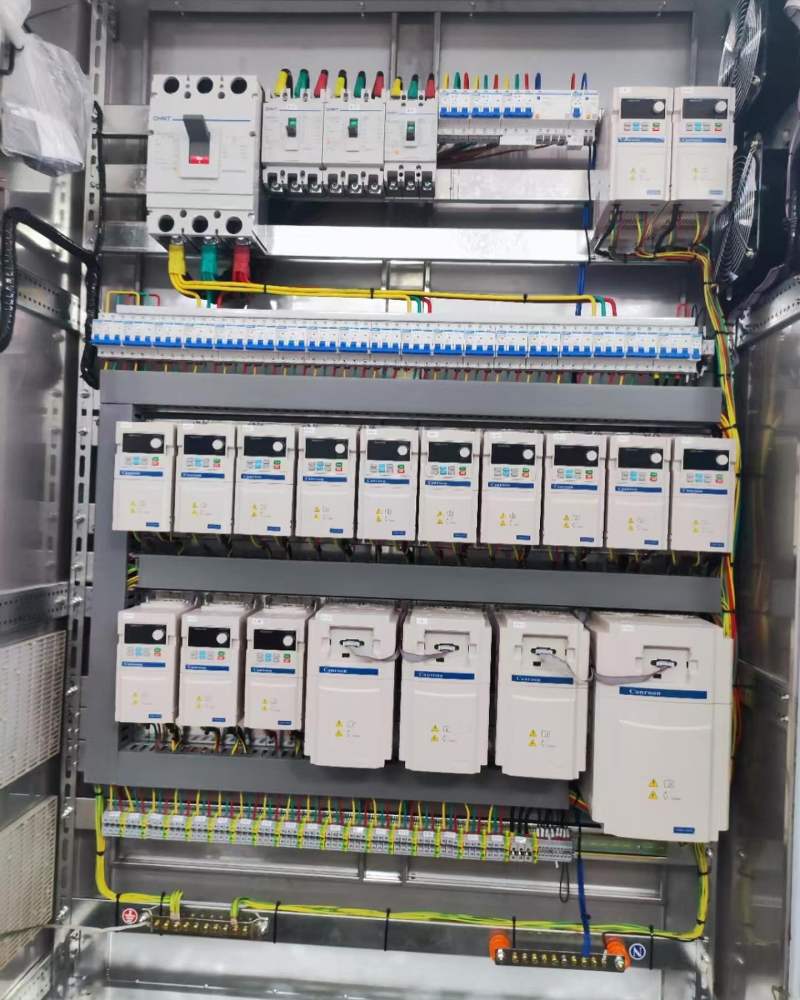
Выбор правильного частотного преобразователя начинается с вашего двигателя. Сначала вам необходимо проверить данные с таблички двигателя. Этот шаг поможет избежать проблем и обеспечить стабильную работу. Если его пропустить, ваша система может работать некорректно. Ваше оборудование может выйти из строя или перестать работать.
Данные с таблички двигателя
Всегда проверяйте табличку двигателя перед покупкой частотного преобразователя. На табличке указана важная информация для управления и совместимости. Вот основные параметры, которые вам нужны:
Напряжение
Количество фаз
Частота
Мощность
Термическая перегрузочная способность
Минимальный КПД двигателя
Запишите эти параметры, чтобы не забыть. Они помогут вам выбрать низковольтный частотный преобразователь, соответствующий вашему двигателю. Это обеспечит стабильную работу системы.
Напряжение и номинальная мощность
Вы должны соответствовать напряжению и номинальной мощности вашего частотного преобразователя и двигателя. Если вы ошибетесь, система будет работать некорректно. Ваше оборудование может выйти из строя или перестать работать. В таблице ниже показано, что происходит при несоответствии этих параметров:
Высоковольтные импульсы от приводных импульсов могут повредить обмотки двигателя, если изоляция слабая. Эти импульсы также могут вызвать проблемы с подшипниками. Это снижает производительность и увеличивает затраты на ремонт.
Совпадение входных/выходных параметров
Проверьте входные и выходные характеристики вашего частотного преобразователя. Убедитесь, что привод соответствует вашему источнику питания и двигателю. Учитывайте напряжение, фазы и частоту. Этот шаг поможет вам добиться хорошего управления двигателем. Он обеспечит стабильность и надежность системы. Если все параметры совпадают, ваше оборудование прослужит дольше.
Совет: Всегда сравнивайте данные с таблички двигателя с характеристиками частотного преобразователя. Этот простой шаг защитит ваше оборудование и улучшит его работу.
Выбор частотного преобразователя: характеристики и эффективность
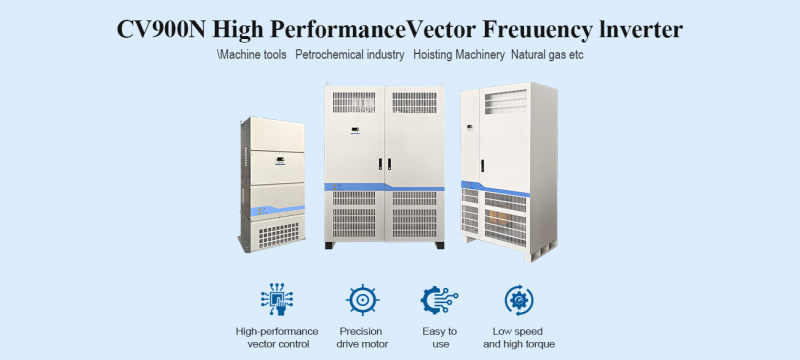
При выборе частотного преобразователя учитывайте не только технические характеристики. Проверьте функции, которые помогают управлять скоростью и моментом. Эти функции также делают вашу систему безопаснее и надежнее. Они помогут вам получить хорошую ценность и высокую производительность.
Управление скоростью и моментом
Вы хотите, чтобы ваши машины работали эффективно и быстро реагировали. Хорошее управление скоростью и моментом дает множество преимуществ:
Вы можете легко изменять скорость и сохранять контроль на любом уровне. Это помогает предприятиям производить лучшую продукцию.
Вы экономите энергию, запуская двигатели только с необходимой скоростью. Это особенно важно для оборудования, которое не требует полной мощности постоянно.
Вы получаете плавные пуски и остановки. Это снижает нагрузку на оборудование и продлевает его срок службы.
Вы можете лучше контролировать процесс. Конвейерные ленты и смесители работают плавнее, когда вы можете точно регулировать скорость.
Вы избегаете потерь энергии. Привод регулирует скорость двигателя в соответствии с текущими потребностями системы.
Если вы выберете привод с этими функциями, ваши машины будут работать лучше и дольше. Canroon предлагает приводы с продвинутым управлением скоростью и моментом. Вы можете доверять своей системе в ежедневной работе.
Энергоэффективность
Экономия энергии — одна из основных причин использования частотно-регулируемого привода. Вы можете добиться значительной экономии, особенно с насосами и вентиляторами. Например, водяной насос в Боулинг-Грин сократил потребление энергии на 85% после установки приводов. Центробежные нагрузки могут сэкономить более половины энергии по сравнению с работой на полной скорости. Если привод работает на 70% скорости, он потребляет только около 34% мощности. Это означает экономию почти 66% энергии.
Всегда выбирайте привод, который помогает достичь высокой эффективности. Это снизит ваши счета за электроэнергию и поможет окружающей среде. Canroon производит низковольтные частотные преобразователи, соответствующие строгим энергетическим стандартам. Вы можете быть уверены в своем выборе.
Надежность и безопасность
Вам нужен частотно-регулируемый привод, который будет работать эффективно в течение многих лет. Большинство приводов служат от 7 до 12 лет в обычных заводских условиях. Проверьте наличие сертификатов безопасности перед покупкой. В США и Канаде распространена сертификация UL. Она охватывает пожарную безопасность, защиту от ударов и перегрузок. Если продукт не имеет одобрения UL, у вас могут возникнуть проблемы при проверках или продаже вашей продукции.
Кибербезопасность также важна. Сертификация IEC 62443-4-2 означает, что привод соответствует высоким стандартам цифровой безопасности на предприятиях. Современные приводы помогают с прогнозирующим обслуживанием. Они собирают данные о токе двигателя, моменте и температуре. Это позволяет выявить проблемы заранее и устранить их до того, как они вызовут остановку.
Вы должны сравнивать бренды по надежности и поддержке. Вот таблица с некоторыми ведущими производителями и их преимуществами:
При выборе частотного преобразователя учитывайте общую стоимость, репутацию поставщика и поддержку. Canroon предлагает надежное обслуживание и передовые функции. Это делает его разумным выбором для вашего следующего проекта.
Совет: Всегда уточняйте сертификаты безопасности и функции прогнозирующего обслуживания при покупке частотно-регулируемого привода. Это поможет избежать проблем и обеспечит безопасность вашей системы.
Бренды частотно-регулируемых приводов и поддержка
Проверенные бренды
Перед выбором частотного преобразователя стоит рассмотреть разные бренды. Некоторые бренды популярны благодаря надежной продукции и хорошей поддержке. Вот топ брендов на 2026 год:
ABB
Eaton
General Electric
Hitachi
Rockwell Automation
Schneider Electric
Siemens AG
Danfoss
WEG SA
Yaskawa Electric
Эти бренды известны качественной продукцией и инновациями. Многие доверяют им свои частотные преобразователи. Вы можете прочитать отзывы и кейсы, чтобы увидеть, как эти бренды работают в реальных условиях. Например, средняя компания сэкономила 20% энергии после перехода на известный бренд. Компании, использующие топовые бренды, часто имеют меньше простоев и лучшие результаты.
Техническая поддержка
Вам нужна хорошая техническая поддержка для вашего частотного преобразователя. Надежная поддержка поможет быстро решить проблемы и поддерживать работу системы. Используйте эту таблицу, чтобы понять, на что обращать внимание в поддержке:
Вам также следует проверить условия гарантии. Некоторые бренды требуют сертифицированных техников для настройки привода. Другие начинают гарантию в разное время, например, при отгрузке или установке. Чистая установка и аккуратное обращение помогут с гарантийными случаями.
Программное обеспечение и аксессуары
Современные системы частотных преобразователей используют программное обеспечение для управления и обновления привода. Программное обеспечение позволяет подключаться к системам управления и видеть данные в реальном времени. Облачные платформы помогают удаленно отслеживать и обновлять ваш привод. Это продлевает срок службы системы и поддерживает ее актуальность.
Выбирайте бренды, которые упрощают обновление ПО и предлагают полезные аксессуары. Это поможет вашей системе быть готовой к будущему. Canroon предоставляет экспертные консультации и поддержку по всем этим вопросам.
Совет: Всегда сравнивайте бренды, поддержку и варианты программного обеспечения перед покупкой. Это поможет выбрать частотный преобразователь, который будет эффективно работать долгое время.
Вы можете выбрать правильный частотный преобразователь для вашей задачи, выполнив следующие шаги:
Определите потребности вашего оборудования и тип нагрузки.
Решите, как вы хотите управлять скоростью и моментом.
Подумайте, как ваша система будет интегрирована.
Запишите все требования к вашему частотному преобразователю.
Обратитесь за помощью к экспертам или проверенным брендам, таким как Canroon.
Сравните варианты по цене, поддержке и сроку службы.
Выберите тот, который совместим с вашим двигателем и соответствует вашему бюджету.
Если вы выберете неправильный размер, неправильно подключите или пропустите шаги безопасности, могут возникнуть проблемы. Всегда проверяйте данные, используйте помощь экспертов и убедитесь, что ваш низковольтный частотный преобразователь соответствует вашему двигателю для стабильной работы.
Часто задаваемые вопросы
Что такое низковольтный частотный преобразователь?
Низковольтный частотный преобразователь — это устройство, регулирующее скорость электродвигателя. Он используется для экономии энергии и улучшения контроля процесса. Большинство низковольтных частотных преобразователей работают с двигателями до 690 вольт.
Как подобрать частотный преобразователь для двигателя?
Проверьте табличку двигателя на напряжение, ток и мощность. Выберите частотный преобразователь, соответствующий или немного превышающий эти значения. Всегда используйте полный ток нагрузки (FLA) для наилучшего соответствия.
Можно ли использовать любой частотный преобразователь с любым двигателем?
Нет, нельзя использовать любой частотный преобразователь с любым двигателем. Вы должны соответствовать напряжению, фазам и току частотного преобразователя и двигателя. Проверьте совместимость перед покупкой.
Какое обслуживание требуется частотному преобразователю?
Очищайте вентиляторы охлаждения и вентиляционные отверстия частотного преобразователя.
Проверяйте наличие пыли или влаги.
Осматривайте проводку и соединения.
Обновляйте прошивку при необходимости.
Регулярные проверки помогут продлить срок службы вашего частотного преобразователя.
Предыдущий:
Следующий:
Подписаться на обновления